How Many Calories Do You Burn Hiking? Complete Guide & Data
A clear guide to how many calories you burn hiking based on your body weight, hill climbs, trail terrain, and backpack weight.
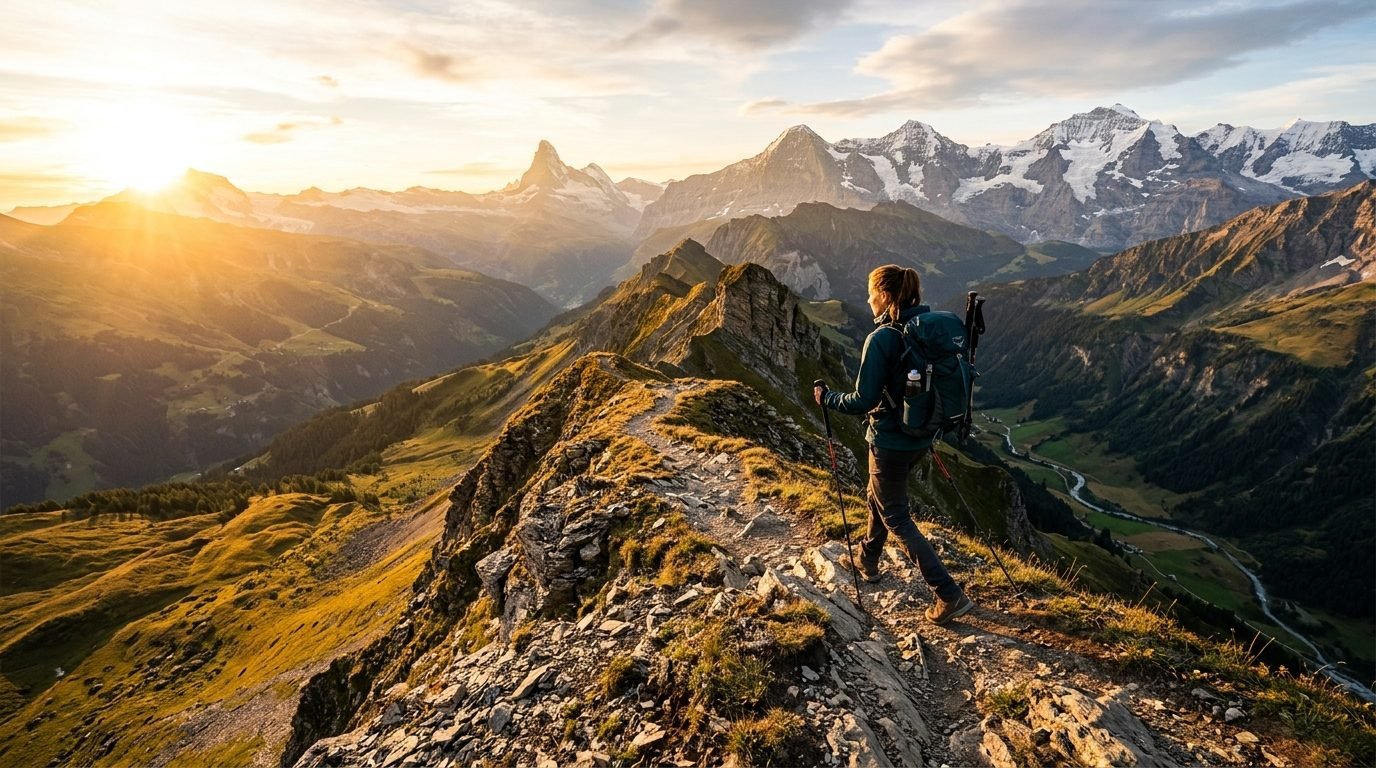
When planning your trail snacks, water, and pacing for a day in the mountains, the central question every hiker asks is: How many calories do you actually burn hiking?
Unlike walking on a smooth sidewalk or running on a flat treadmill, hiking is a dynamic, full-body activity. Every step requires lifting your body weight up dirt hills, stepping over tree roots, and balancing across rocky trails—often while carrying a backpack on your shoulders.
According to exercise science research and standard activity guidelines, a typical adult burns between 400 and 650 calories per hour on moderate hiking trails. On steep mountain climbs with an overnight pack, that burn rate easily jumps to 700 to 900+ calories per hour.
Here is a clear, practical guide to understanding and calculating your trail calorie burn across different body weights, hill climbs, trail surfaces, and pack weights.
Quick Reference: Calories Burned per Hour
The table below shows estimated total calories burned per hour across common body weights and trail types:
| Body Weight | Flat Nature Walk | Moderate Rolling Trail | Rugged Mountain Route | Steep Climb with Daypack | Mountain Climb with Heavy Pack |
|---|---|---|---|---|---|
| 130 lbs (59 kg) | 224 kcal/hr | 313 kcal/hr | 384 kcal/hr | 502 kcal/hr | 590 kcal/hr |
| 150 lbs (68 kg) | 258 kcal/hr | 360 kcal/hr | 442 kcal/hr | 578 kcal/hr | 680 kcal/hr |
| 170 lbs (77 kg) | 293 kcal/hr | 408 kcal/hr | 501 kcal/hr | 655 kcal/hr | 770 kcal/hr |
| 190 lbs (86 kg) | 327 kcal/hr | 456 kcal/hr | 559 kcal/hr | 731 kcal/hr | 860 kcal/hr |
| 210 lbs (95 kg) | 361 kcal/hr | 504 kcal/hr | 618 kcal/hr | 808 kcal/hr | 950 kcal/hr |
| 230 lbs (104 kg) | 395 kcal/hr | 551 kcal/hr | 676 kcal/hr | 884 kcal/hr | 1,040 kcal/hr |
[!NOTE] These figures show total calories burned, which includes your body’s normal resting calories plus the active effort of hiking.
To calculate your exact calorie burn based on your weight, pack load, distance, and trail elevation, use our free Hiking Calorie Calculator.
The 4 Main Factors That Determine Your Calorie Burn
Why does one 5-mile walk burn 400 calories while a 5-mile mountain hike burns over 1,200 calories? Your energy burn on the trail comes down to four primary factors:
1. Total Weight (Your Body Weight + Backpack)
The more weight you move across the trail, the more fuel your muscles need. If you weigh 165 lbs (75 kg) and carry a 30 lb (14 kg) pack, your legs and heart are moving 195 lbs (89 kg) across the trail. Every step and every vertical foot you climb requires energy proportional to that combined weight.
Where you carry that weight also makes a big difference. Decades of sports research show that 1 pound on your feet uses about 5 times as much energy as 1 pound carried securely on your back. Wearing heavy mountaineering boots burns significantly more energy than wearing lightweight trail shoes.
2. Climbing Uphill (Elevation Gain)
Lifting your body weight against gravity is the biggest calorie burner in hiking. Your muscles only convert about 20% to 25% of energy into mechanical lift (the rest turns into body heat). Because of this, climbing 1,000 feet (300 meters) of elevation adds roughly 180 to 260 extra calories for an average hiker, regardless of horizontal distance.
Explore how trail slopes affect your speed and calorie burn with our Uphill Hiking Calories Calculator and Downhill Hiking Calories Calculator.
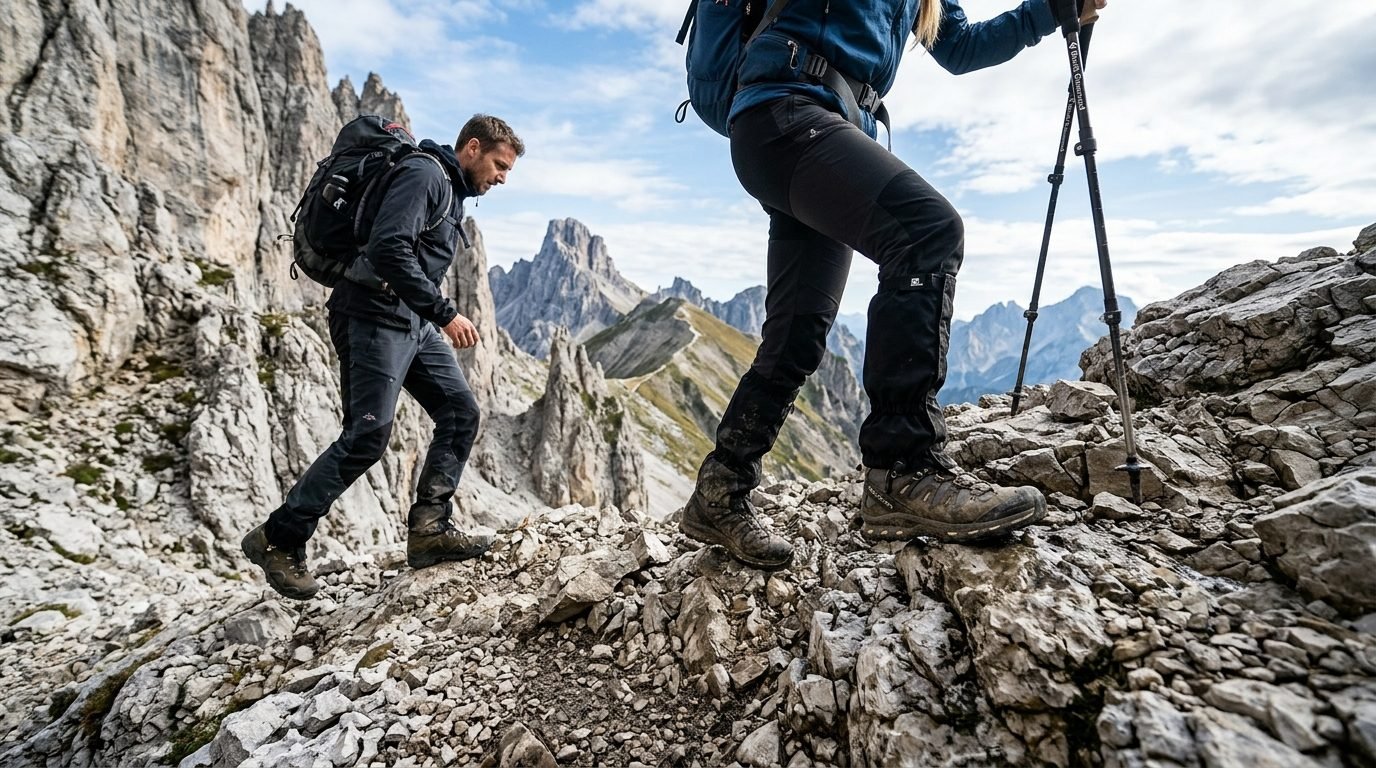
3. Trail Ground Surface (Dirt, Mud, Sand, Rocks)
Walking along a smooth, hard-packed dirt road feels effortless. But stepping over slippery tree roots, loose gravel, deep mud, or soft sand requires small balance adjustments with every step. Your ankles, calves, and core work continuously to keep you upright.
Research into trail terrain shows how different surfaces change your calorie burn:
- Paved road or sidewalk: Baseline effort
- Hard-packed dirt or gravel: ~10% more effort
- Forest trails with tree roots and uneven rocks: 20% to 40% more effort
- Loose gravel, scree, or deep mud: 50% to 80% more effort
- Soft dry sand or deep snow: Up to twice the effort of flat ground
4. Moving Time vs Total Trip Time
A common mistake when calculating trail calories is looking at your total elapsed time instead of your active moving time. If you are out for 6 hours, but spend 45 minutes having lunch at the summit and take another 45 minutes for water breaks and photos, your active moving time is only 4.5 hours.
When you sit down to rest, your calorie burn drops right back to near-resting levels. Planning your trail food based on total trip time instead of moving time often leads to carrying far more food than you actually need.
How Effort is Rated: MET Values
Exercise specialists measure how hard an activity is using METs (Metabolic Equivalent of Task). A rating of 1.0 MET equals your resting energy when sitting quietly on the couch. A 6.0 MET activity means your body is working 6 times harder than at rest.
Standard activity tables provide these benchmarks for hiking:
- Casual Nature Walk (under 2.0 mph): 3.8× resting effort
Gentle paths through parks or woods without steep hills or rough footing. - Rolling Forest Trail (2.3–2.8 mph): 5.3× resting effort
Standard hiking paths with gentle ups and downs. - Mountain Trail Hiking (2.5–3.2 mph): 6.0× resting effort
Backcountry hiking across varied, hilly terrain with a light daypack. - Hiking Uphill with a Daypack (10–20 lb load): 7.8× resting effort
Steady climbing on mountain trails carrying water, snacks, and extra layers. - Backpacking with an Overnight Pack (30–45 lbs): 10.0× resting effort
Strenuous mountain climbs carrying full camping gear, tent, and several days of food.
Total vs. Active Calories
When a fitness watch tells you that you burned 2,000 calories on a hike, that number is almost always Total Calories. Total calories include the resting calories your body burns every day just staying alive (breathing, circulating blood, keeping organs running).
- Total Calories: All the calories burned during the hike, including your resting metabolism.
- Active Calories: The extra calories burned purely by the physical work of hiking.
For example, a 165 lb hiker walking for 5 hours on a mountain trail might burn 2,250 total calories, of which 1,875 calories are active calories and 375 calories are normal resting burn. For more details, see our guide on Total vs Active Calories Explained and our Hiking Effort Ratings Table.
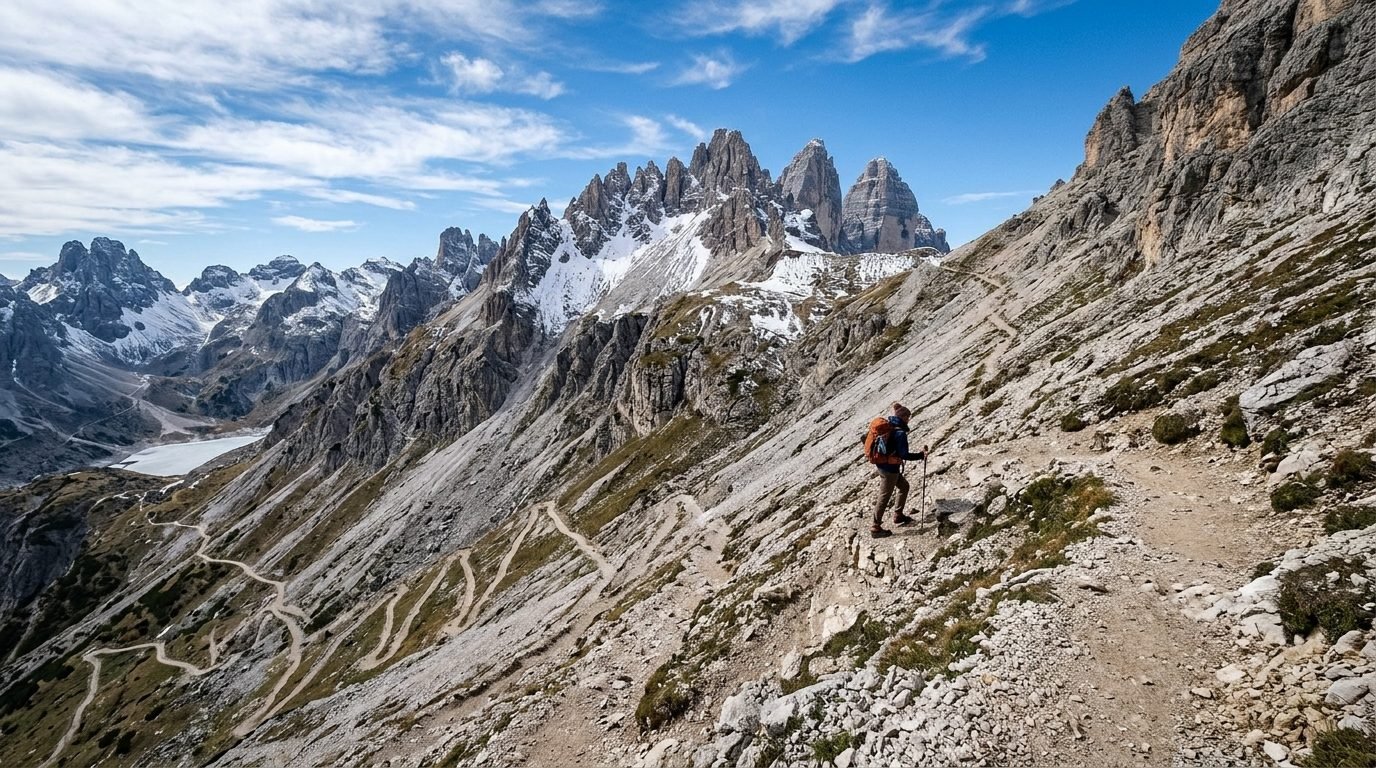
Calories Burned by Distance: 3 to 16-Mile Hikes
Because hiking speed changes depending on trail steepness, distance-based estimates assume a steady, realistic mountain pace (about 2.0 to 2.5 mph).
Here is what a typical 165 lb (75 kg) hiker carrying a 15 lb (7 kg) daypack burns on common trail distances with moderate climbing:
| Distance | Approx. Moving Time | Elevation Gain | Estimated Total Calories | Suggested Trail Food & Water |
|---|---|---|---|---|
| 3.0 Miles (4.8 km) | 1 hr 15 min | ~800 ft (245 m) | 560 – 680 kcal | 1 water bottle + 1 energy bar |
| 5.0 Miles (8.0 km) | 2 hrs 10 min | ~1,400 ft (425 m) | 1,050 – 1,280 kcal | 1 liter water + 200–350 kcal snacks |
| 8.0 Miles (12.9 km) | 3 hrs 30 min | ~2,300 ft (700 m) | 1,750 – 2,150 kcal | 2 liters water/electrolytes + 600–800 kcal snacks |
| 12.0 Miles (19.3 km) | 5 hrs 15 min | ~3,600 ft (1,100 m) | 2,800 – 3,450 kcal | 3 liters water/electrolytes + 1,200–1,500 kcal food |
| 16.0 Miles (25.7 km) | 7 hrs 30 min | ~5,000 ft (1,520 m) | 4,100 – 5,100 kcal | 4+ liters fluids + 2,000–2,500 kcal trail food |
Calculate specific numbers for your hike using our Hiking Calories by Distance Calculator and Hiking Time Calculator.
Why Smartwatches Often Miscalculate Hiking Calories
GPS watches and fitness trackers are great tools for navigation, but their default calorie estimates can be off by 20% to 40% on hiking trails. Here is why:
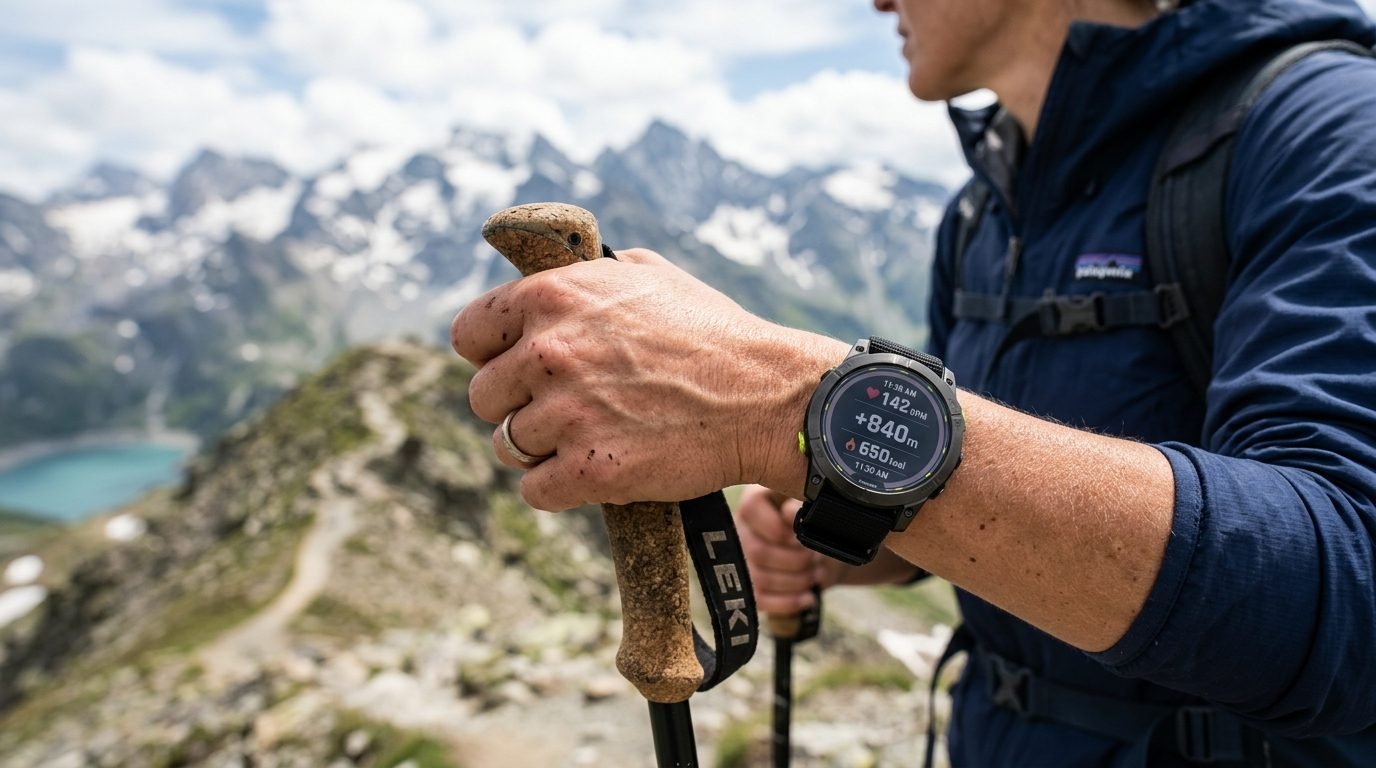
- Heart Rate Creep in the Heat: On warm summer hikes, heat and slight dehydration cause your heart to beat faster over time, even if you are walking at the exact same pace. Smartwatches interpret this higher heart rate as a massive increase in calorie burn, inflating their estimate.
- Missing Backpack Weight: Most smartwatches know your body weight, but have no idea you are carrying a 25 lb backpack. That extra pack weight increases your calorie burn by 15% to 25%, which default watch settings completely miss.
- GPS Elevation Glitches: In deep valleys, canyons, or dense tree cover, GPS signals can drift, miscalculating how steeply you are climbing.
Our calculators use validated terrain and hill-climbing equations to give you a much more reliable estimate.
How Trekking Poles Change Your Calorie Burn
Using a pair of trekking poles transfers work from your legs to your arms, shoulders, and chest:
- Slightly More Calories: Multiple sports science trials show that using trekking poles increases calorie burn by 4% to 9% at the same walking speed, because your upper body muscles are actively pushing you forward.
- Hikes Feel Easier: Even though you burn slightly more calories, hikes actually feel easier. That is because poles take 15% to 25% of the pounding off your knees and ankles on descents, protecting your joints and keeping your legs from getting sore.
If your goal is fitness and saving your knees on mountain trails, trekking poles are one of the most effective tools you can bring.
Quick Tips for Fueling Your Hike
- Plan Ahead: Check your estimated calorie burn before you go using our Hiking Calorie Calculator.
- Don’t Try to Eat Back Every Calorie on the Move: Your stomach can only comfortably digest 30 to 60 grams of carbs per hour (about 120 to 240 calories) while walking. Your body’s stored energy easily covers the rest.
- Bring an Emergency Snack: Always carry an extra 200 to 400 calories of shelf-stable snacks (like nuts, dried fruit, or a bar) in case of unexpected trail delays.
- Drink Water with Electrolytes: Drink roughly half a liter of fluid for every hour of steady hiking, especially on warm days, to prevent muscle cramps and dehydration.
Frequently Asked Questions
How many calories do you burn hiking 5 miles?
An average 165 lb (75 kg) adult carrying a light 12 lb daypack on a 5-mile hike with 1,200 feet of climbing burns roughly 1,000 to 1,300 total calories (about 850 to 1,100 active calories above resting), taking about 2 to 2.5 hours.
Does downhill hiking burn a lot of calories?
Yes. Even though gravity pulls you downward, your thigh muscles have to act as brakes on every step to keep you from falling forward. Downhill hiking typically burns about 250 to 400 calories per hour—about 50% to 65% of the effort of walking on flat ground. Learn more in our Downhill Hiking Calories Guide.
Why does hiking burn more calories than regular walking?
Walking in the city happens on smooth, flat concrete where each step bounces you forward easily. Mountain hiking introduces hills, rough dirt trails, loose rocks, balance adjustments, and backpack weight—which frequently doubles your calorie burn compared to street walking. Compare the exact numbers with our Hiking vs Walking Calorie Comparison.
How does cold weather affect hiking calories?
Hiking in cold weather burns more calories. Your body uses extra energy to keep your core warm, breathing cold air takes more effort, and walking in heavier winter boots and thick clothing adds resistance. In freezing winter conditions, you can burn 15% to 30% more calories than on a mild day.
Calculate Your Next Route
Test your pack weight, moving time, and elevation gain in our free tool.