Trail Fuel Strategy: What and When to Eat on Day Hikes
Practical trail nutrition tips: how much to eat each hour, what snacks to pack, and how to avoid running out of energy on the mountain.
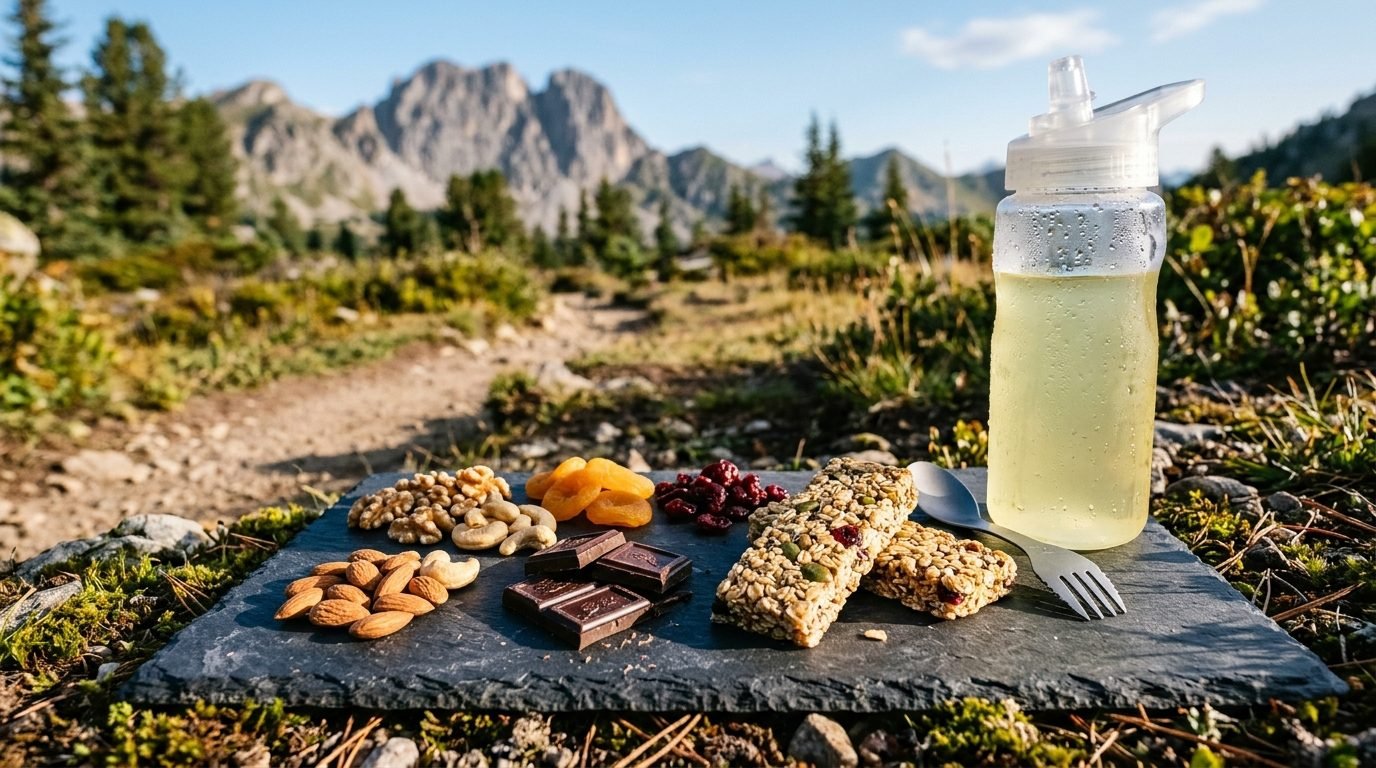
A common mistake among newer hikers is thinking that if a fitness watch predicts a 2,500-calorie burn on a 6-hour mountain hike, you need to eat 2,500 calories out of your backpack while climbing.
In reality, trying to digest heavy meals while hiking up a mountain is a guaranteed recipe for stomach cramps, nausea, and sluggishness. When you hike uphill, your body pumps most of your blood straight to your working leg muscles and your skin to keep you cool. With less blood flowing to your stomach, heavy foods sit like a brick and take forever to digest.
To hike strong, avoid fatigue, and keep your energy steady from the trailhead to the summit, you need a smart, simple snacking strategy.
The Golden Rule: Replace About 60% of Your Active Burn
Your body doesn’t rely solely on the snacks in your pack. A well-nourished adult already carries roughly 1,800 to 2,200 calories of readily available energy stored in the liver and muscles, along with plenty of stored body fat.
During moderate hiking, your body naturally burns a mix of body fat and stored carbs to fuel your steps.
[!IMPORTANT] The Trail Fueling Rule:
- Estimate your Active Calories (the extra energy burned above resting) using our Hiking Food Calculator or Hiking Calorie Calculator.
- Plan to eat 60% to 65% of those active calories while you are on the trail.
- Pack a small emergency cushion of 250 to 350 extra calories.
- Replenish the remaining calories with a balanced meal after you finish your hike.
For example, if your active hiking burn is calculated at 1,800 calories over 5 hours of moving time:
- Target calories to eat on trail: 1,800 × 0.65 = 1,170 kcal
- Hourly snack target: 1,170 ÷ 5 hours ≈ 235 kcal per hour
- Total food to pack: 1,170 + 300 (emergency snack) = 1,470 kcal
Why Eating More is Not Always Better
Your digestive system can only comfortably process between 30 and 60 grams of easily digestible carbohydrates per hour (about 120 to 240 calories) while you are walking.
Trying to eat 400 or 500 calories an hour while climbing uphill overloads your stomach. The undigested food draws water into your gut, leading to stomach sloshing, bloating, heartburn, and sudden exhaustion.
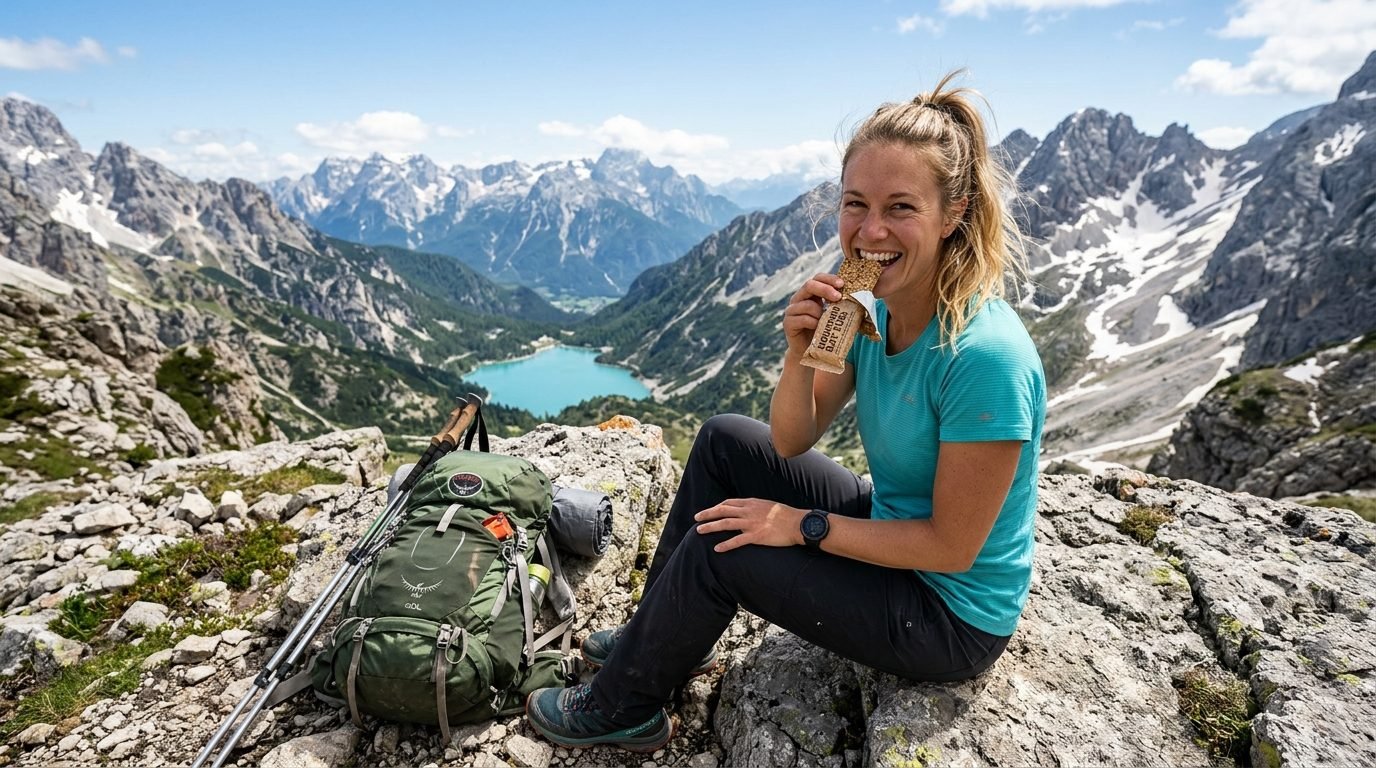
Keep your on-trail snacking capped at 150 to 240 calories per hour, broken into small, frequent bites every 45 to 60 minutes.
The 3-Step Trail Nutrition Plan
1. Before You Leave (2–3 Hours Before Hiking)
Your pre-hike breakfast tops off your energy stores after overnight sleep without leaving heavy, slow-digesting food in your stomach.
- Best Timing: 2 to 3 hours before you step onto the trail.
- What to Look For: Plenty of complex carbs, moderate protein, and low grease or heavy fat.
- Great Options:
- Oatmeal topped with sliced banana, a spoonful of chia seeds, and a drizzle of honey.
- Toasted sourdough bread with peanut butter and sliced strawberries.
- Scrambled eggs with toast or a baked sweet potato, plus a tall glass of water.
2. Steady Grazing on the Trail (Every 45–60 Minutes)
Never wait until your stomach growls or your legs feel completely empty to eat. By the time you feel starved, your blood sugar has already crashed and your body is playing catch-up.
- Set a Timer: Set an alarm on your phone or watch for every 45 to 50 minutes.
- Portion Size: Eat 150 to 220 calories (like half an energy bar, a small handful of trail mix, or two dried figs).
- Weather Tip: In hot summer weather, avoid chocolate-coated bars that turn into a melted mess. Choose dried fruit, nuts, pretzels, or oat-based bars instead.
3. After the Hike (Within 1 Hour)
Within an hour of finishing your hike, your leg muscles are primed to rebuild and restock their energy.
- What to Eat: A meal with a mix of carbohydrates and protein (roughly 3 parts carbs to 1 part protein).
- Why It Matters: Restores energy quickly, helps repair tired leg muscles, and stops you from feeling wiped out later that evening.
Hitting the Wall (“The Bonk”): How to Fix It Fast
Every seasoned hiker has experienced the dreaded “bonk”—a sudden, complete crash in physical and mental energy.
This happens when your body completely runs out of its quick-burning carb reserves and your blood sugar plummets. It comes on fast:
- Physical Signs: Legs feel like heavy lead, hands shake, cold sweats break out, and your steps feel clumsy.
- Mental Signs: Sudden irritability, dizziness, brain fog, and feeling overwhelmed.
3 Steps to Recover from a Bonk
If you or a hiking partner suddenly bonks on a steep hill:
- Stop Immediately: Do not try to push through it. Sit down in a safe, shaded spot.
- Eat Quick-Acting Sugar: Immediately eat 25 to 35 grams of fast-acting sugar (energy chews, honey packet, fruit snacks, or dried figs) with a cup of water. Avoid heavy fatty foods like pure peanut butter or chocolate during an emergency crash, because fat slows down digestion and delays sugar reaching your bloodstream.
- Wait 10 to 15 Minutes: Give your body time to absorb the sugar and stabilize your blood sugar. Once you feel clear-headed, stand up and resume hiking at an easy, relaxed pace.
Pack Smart: Calorie Density
When choosing trail snacks, calorie density (calories per ounce) determines how much energy you carry without weighing down your backpack:
- Fats and Oils: ~250 calories per ounce (Nuts, peanut butter, seeds)
- Carbs and Proteins: ~115 calories per ounce (Dried fruit, energy bars, jerky)
- Water-Rich Foods: ~15 to 30 calories per ounce (Fresh apples, oranges, canned tuna)
Carrying fresh fruit like whole apples or oranges means hauling mostly water weight for very few calories. In contrast, dried fruit and nuts pack 4 to 5 times more energy into the exact same pack weight.
Common Trail Foods & Calorie Density
| Trail Snack | Energy Density | Primary Fuel | Melting Risk | Serving Tip |
|---|---|---|---|---|
| Macadamias & Pecans | 200 kcal / oz | Healthy natural fats | None (Won’t melt) | Small handful (1 oz) |
| Almonds & Walnuts | 175 kcal / oz | Healthy fats & protein | None (Won’t melt) | Great all-day graze snack |
| Peanut / Almond Butter Packs | 165 kcal / oz | Dense fats & carbs | None (Clean squeeze packs) | 1 squeeze pouch |
| Dark Chocolate (70%+) | 160 kcal / oz | Cocoa butter & carbs | Melts above 80°F (27°C) | 2–3 squares |
| Oat & Honey Energy Bars | 125 kcal / oz | Wholesome carbs | None (Sturdy bars) | 1 bar |
| Hard Cheese (Cheddar/Parm) | 115 kcal / oz | Fat & protein | Good (Lasts 2–3 days) | Small block (1–1.5 oz) |
| Dried Mango, Dates & Figs | 95 kcal / oz | Fast natural fruit sugars | None (Chewy & light) | Great quick boost on climbs |
| Beef or Turkey Jerky | 85 kcal / oz | Lean protein & salt | Excellent | Perfect savory snack |
| Fresh Apple (for comparison) | 15 kcal / oz | Mostly water (85%) | None (Heavy) | Better left for the car |
Hydration & Electrolytes: Why Water Alone Isn’t Enough
Losing just 2% of your body weight in sweat (about 3 pounds of water for a 165 lb hiker) causes your heart to work harder, leads to muscle cramps, and drains your stamina.
Don’t Skip the Salt
When you sweat, you lose both water and essential minerals (especially sodium). Drinking huge amounts of plain water without any salt or electrolytes can dilute the sodium in your bloodstream, leading to headaches, puffy fingers, nausea, and severe cramps.
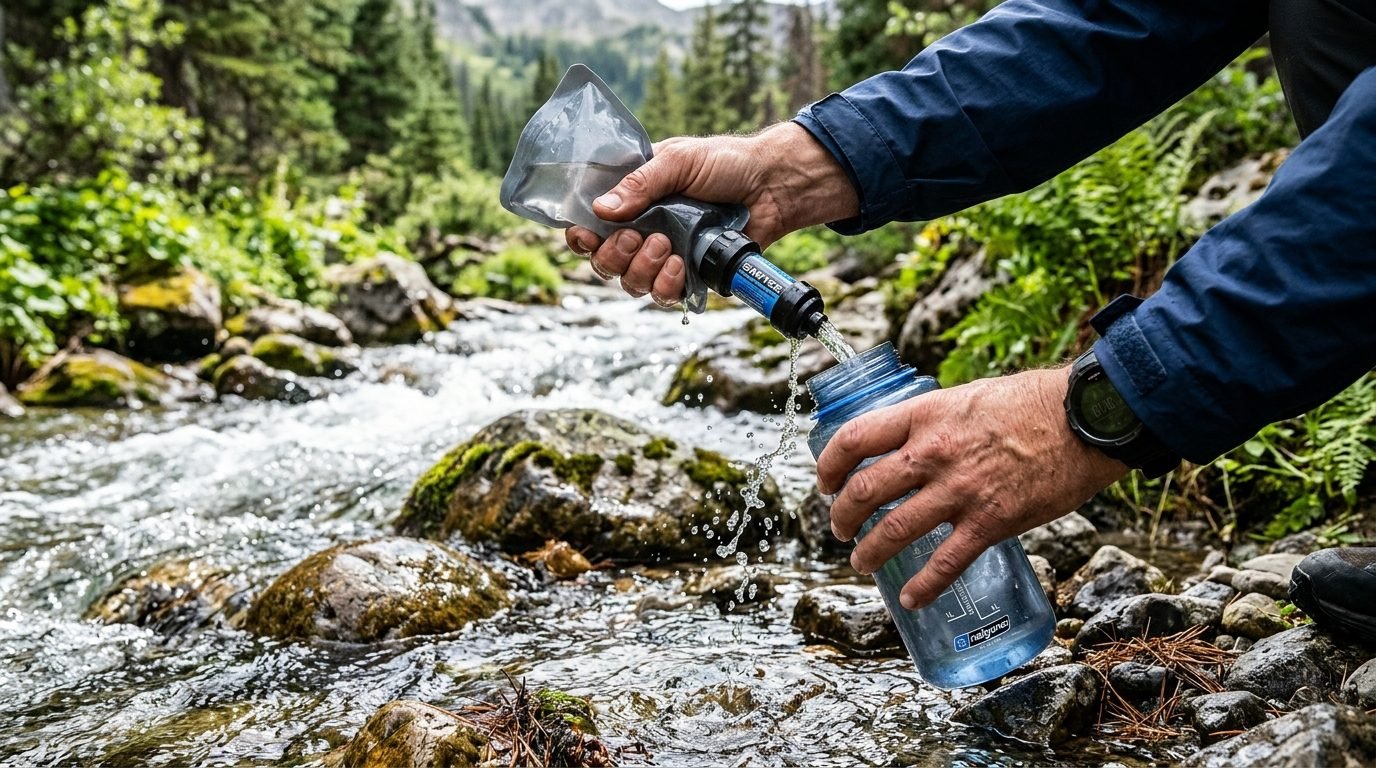
- Water Intake: Drink about half a liter (16 oz) to three-quarters of a liter per hour of steady hiking, especially on warm days.
- Electrolytes: Add an electrolyte tablet or mix to at least one of your water bottles on hikes longer than two hours.
- Salty Snacks: Pack savory snacks like salted pretzels, nuts, or jerky to naturally replenish sodium.
Helping Your Muscles Recover After the Hike
After hiking thousands of feet uphill and taking tens of thousands of steps, your leg muscles have worked hard and need good nutrition to bounce back:
- Rehydrate: Drink water and electrolytes over the first few hours after returning to your car or home.
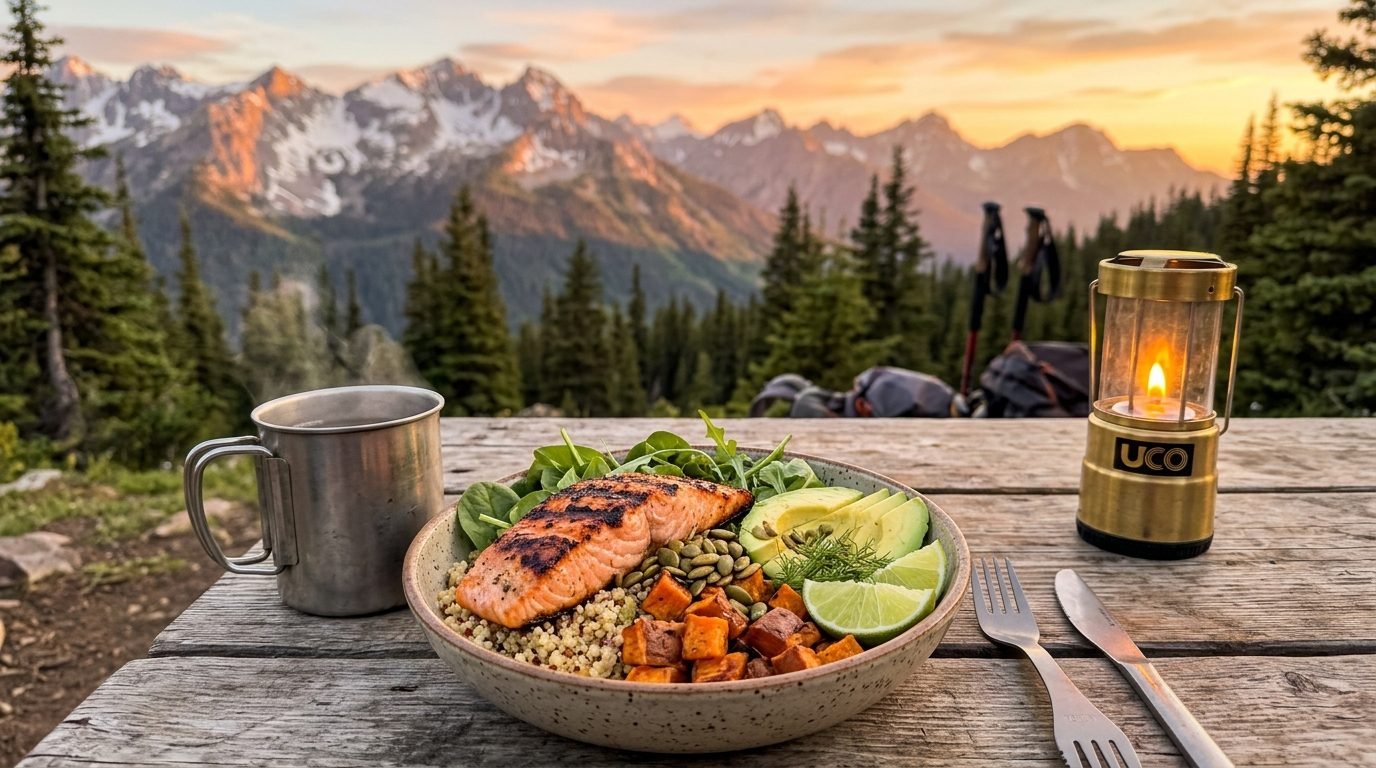
- Eat Real Whole Foods: Enjoy a meal rich in wholesome carbs, healthy fats, and protein (like a burrito bowl with beans and avocado, a sweet potato with chicken or salmon, or a hearty vegetable stir-fry).
- Eat Potassium-Rich Foods: Bananas, sweet potatoes, avocados, and coconut water help replenish potassium lost through muscle contraction and sweat.
Plan your exact trail food needs with our Hiking Food Calculator and our Backpacking Food Weight Calculator.
Frequently Asked Questions
How much food should I pack for a 6-hour mountain day hike?
For a 6-hour hike with about 4.5 hours of actual walking, you’ll burn around 1,800 to 2,400 active calories. Pack about 1,200 to 1,500 calories of snacks (about 10 to 14 ounces of food like trail mix, energy bars, and dried fruit). This covers your hourly snacks plus a small safety cushion.
Should you hike on an empty stomach in the morning?
While a flat, easy morning stroll can be done before breakfast, hiking up mountain trails on an empty stomach is risky. Climbing uphill without breakfast quickly drains your energy reserves, makes you feel dizzy, and increases the chance of stumbling on rocks. Always eat a small, carb-rich breakfast (like oatmeal or toast with peanut butter) before heading up a mountain.
What are the best snacks that won’t melt in summer heat?
The best non-melting, high-energy snacks include:
- Peanut butter or almond butter squeeze pouches
- Salted almonds, cashews, and macadamia nuts
- Medjool dates, dried mango, and figs
- Chewy oat energy bars without chocolate coatings
- Beef, turkey, or salmon jerky strips
How does cold winter weather change what you need to eat?
Cold weather increases your carb burn because your body burns extra fuel just to keep you warm. On cold winter hikes, increase your hourly snacks by 15% to 25%, and keep energy bars in an inside jacket pocket near your body so they don’t freeze into tooth-breaking bricks!
Calculate Your Next Route
Test your pack weight, moving time, and elevation gain in our free tool.